
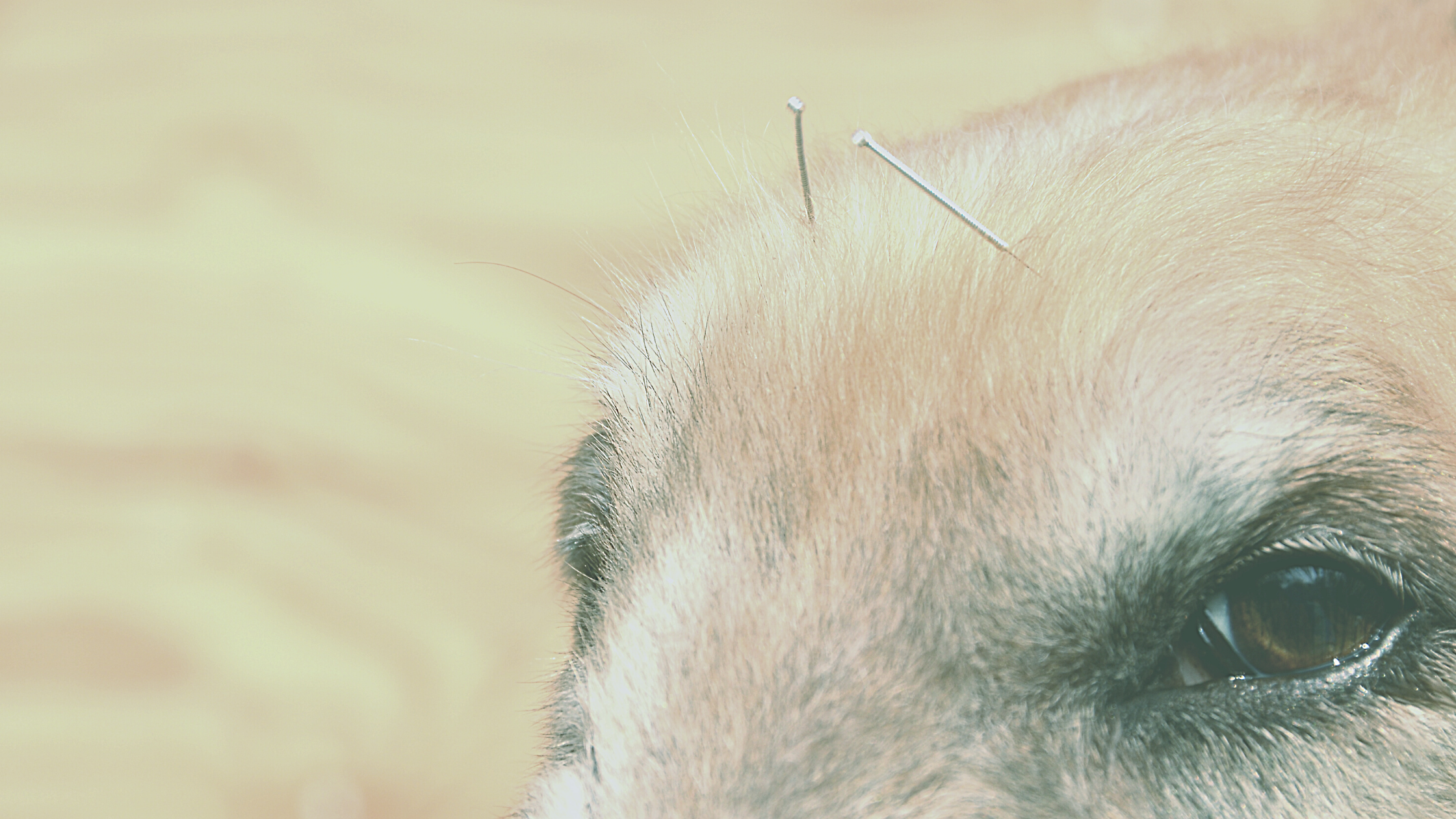
Acupuncture
Relieve pain, treat specific issues, or promote general well-being.
What does acupuncture do?
Acupuncture helps improve the body’s natural functions and supports its ability to heal itself. By gently stimulating specific points on the body, called acupoints, acupuncture can reduce pain, improve mobility, enhance circulation, and support overall well-being.
From the perspective of Traditional Chinese Veterinary Medicine, the body has inherent self-healing mechanisms, and acupuncture works to stimulate and balance these systems, helping pets recover from injury, manage chronic conditions, and maintain long-term health.

Conditions that commonly benefit from acupuncture:
Immune-mediated conditions, including asthma, skin allergies, and inflammatory bowel disease
Behavioral issues such as anxiety or sleep disturbances
Nausea and reduced appetite from medications or chronic illnesses like kidney disease or cancer
Urinary incontinence or inappropriate urination
Seizures
Types of acupuncture:
Dry needling: The insertion of very thin needles into specific points on the body. This is what most people think of as “acupuncture”.
Aquapuncture: The injection of small amounts of Vitamin B12 into specific acupuncture points. This technique is helpful when an animal will not tolerate an acupuncture needle in place for 15 minutes. The injection of fluid creates sustained pressure around the point and can result in a similar effect of dry needling. Vitamin B12 (also known as cobalamin) has its own potential benefits as it is a substance used for metabolism by every cell in the body, especially within the nervous system and production of blood. Vitamin B12 is very safe with no known drug interactions.
Electroacupuncture: The process of attaching a low level electrical current to needles placed at acupuncture points. This technique is employed to increase stimulation of the points to have a stronger effect for more chronic or severe conditions or for a longer lasting effect. Electroacupuncture may not be appropriate in some pets if they have a history of cardiac arrhythmias or seizures.
Laser acupuncture: For animals that do not tolerate needles, a specialized cold laser can instead be used to stimulate the acupuncture points

Common Questions:
-
Most of the time, animals barely notice the tiny needles being inserted. Many even relax and seem to enjoy the treatment sessions. Occasionally, we may encounter a sensitive point. If the animal shows discomfort for more than a few seconds, the needle is promptly removed.
Sometimes, dogs or cats may be uncomfortable with having their paws touched, so acupuncture points in those areas might not always be used.
Our goal is for the treatment to be a positive experience for your pet, helping them stay relaxed and calm so the therapy can have the maximum benefit.ion text goes here
-
When performed by a trained veterinarian, acupuncture has very few side effects or complications. Because sterile, single-use needles are used, the risk of infection is very low.
Minor bruising or bleeding can occasionally occur, and in rare cases, acupuncture may temporarily make a condition feel worse before improvement is seen. Interestingly, these cases often go on to show the most dramatic benefits.
One exception is cancer. Since acupuncture can increase local blood flow, there is a theoretical risk that a tumor could be stimulated to grow. However, many animals with cancer also have other conditions, such as arthritis or gastrointestinal issues, which can often still be safely treated with acupuncture.
Furthermore, animals undergoing chemotherapy or radiation may benefit from acupuncture due to its anti-nausea and pain-relieving effects. It is important to discuss any concerns and carefully weigh the risks and benefits when considering acupuncture for patients with cancer.
-
The initial consultation will take approximately 1.5-2 hours and will include a review of any pertinent prior medical records, a detailed discussion of your pets’ history, current concerns, and treatment goals as well as a physical assessment (from both a typical Western and TCM perspective) and the first acupuncture treatment.
-
Animals, like people, can respond differently to acupuncture. Some may feel sleepy for the rest of the day, while others may seem more energetic. Some experience immediate improvement after just one treatment, while others may require multiple sessions. A small percentage of animals may show no noticeable improvement.
Follow-up treatments typically take about 30 minutes. Depending on your pet’s response to the initial session, we may use the same points and techniques or adjust the approach. It is recommended to commit to at least four treatments to determine whether further therapy will be beneficial.
Follow-up treatments typically take about 30 minutes. Depending on your pet’s response to the initial session, we may use the same points and techniques or adjust the approach. It is recommended to commit to at least four treatments to determine whether further therapy will be beneficial.